ROOMS AS RECIPES
I
THE INGREDIENT TABLE
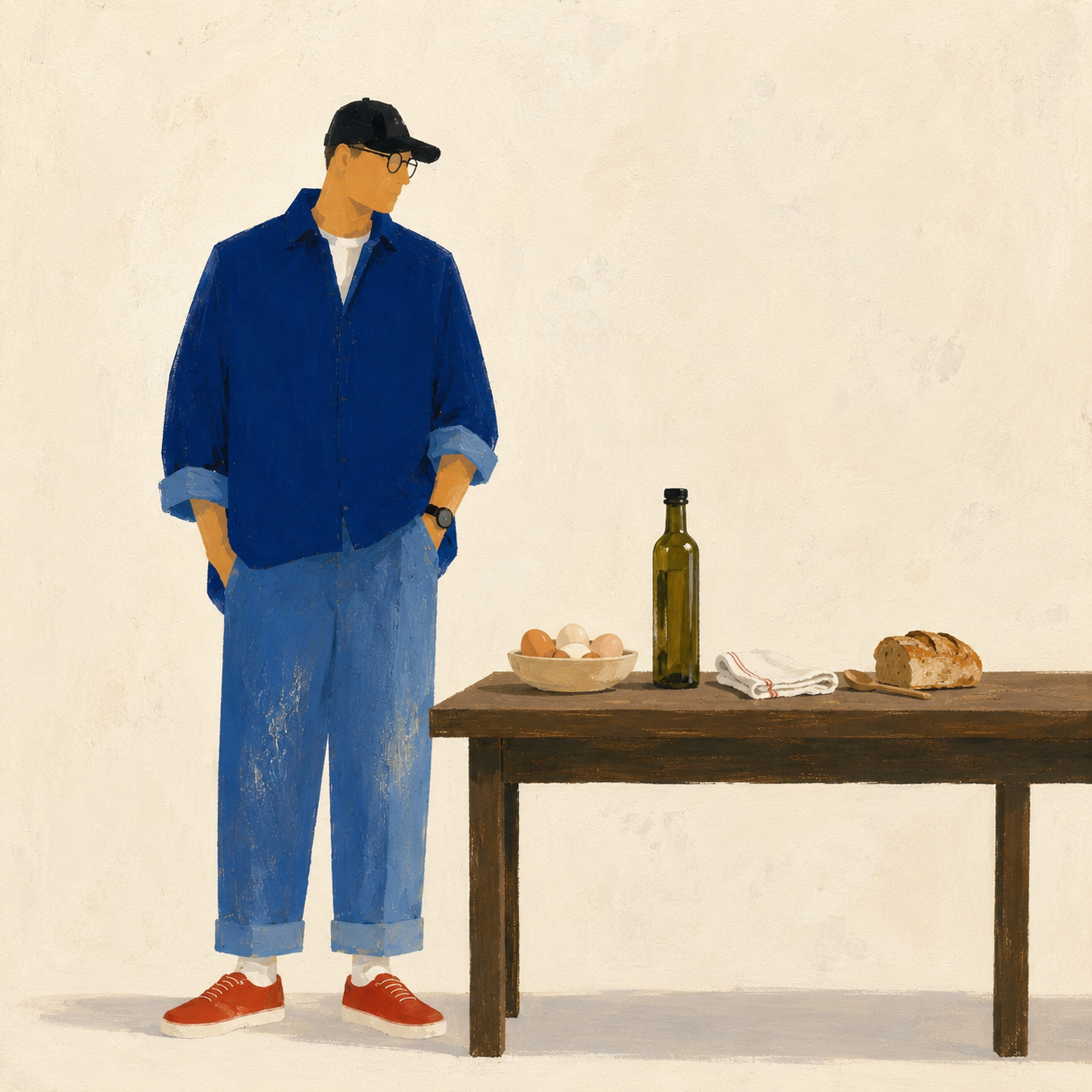
Rooms, like recipes, begin with better ingredients. Before anything is arranged, there is the quality of what is being used: the chair, the table, the lamp, the textile, the thing that has enough character to carry its place without asking for help.
The first mistake is thinking decoration begins with the finished room. It does not. It begins earlier, at the table, when the ingredients are still separate and the judgment has not yet been disguised by styling.
A good room rarely needs more things. It needs better things, chosen with more nerve and less apology.
II
THE REFRIGERATOR RAID ROOM
There is a kind of decorating that starts the way dinner sometimes starts: by opening the refrigerator and seeing what can be made from what is already there.
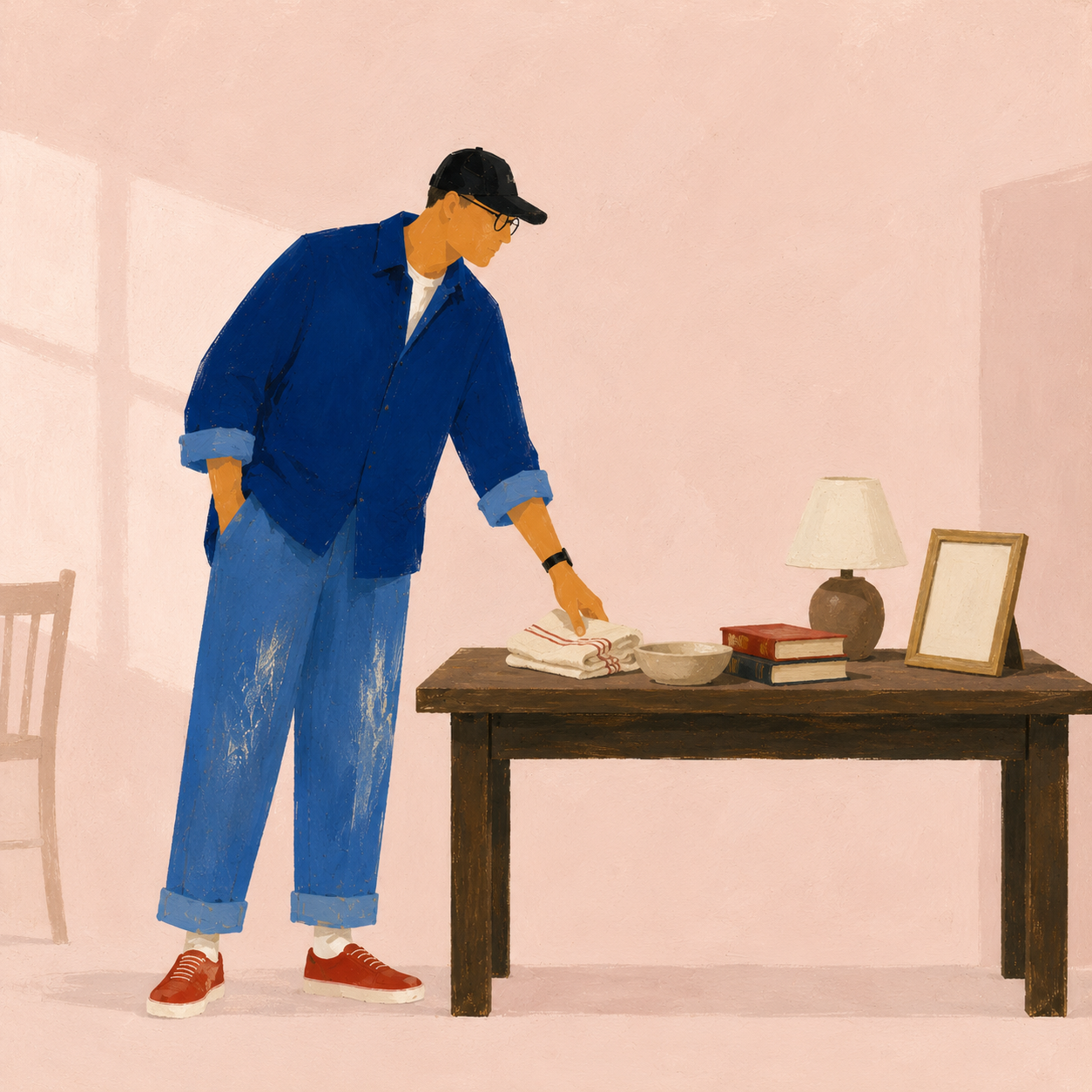
A folded textile, a lamp that lost its table, a stack of books, a bowl, a frame, a chair from another room. None of it is enough by itself. Together, it may be the beginning of something useful.
This is not the same as making do. Making do gives up. This is taking inventory. A good room can be made from leftovers if the person arranging them understands proportion, contrast, and when one odd thing is better than three safe ones.
III
SALT, ACID, FAT
When a room feels weak, the problem is often not that it needs more decoration. It needs seasoning.
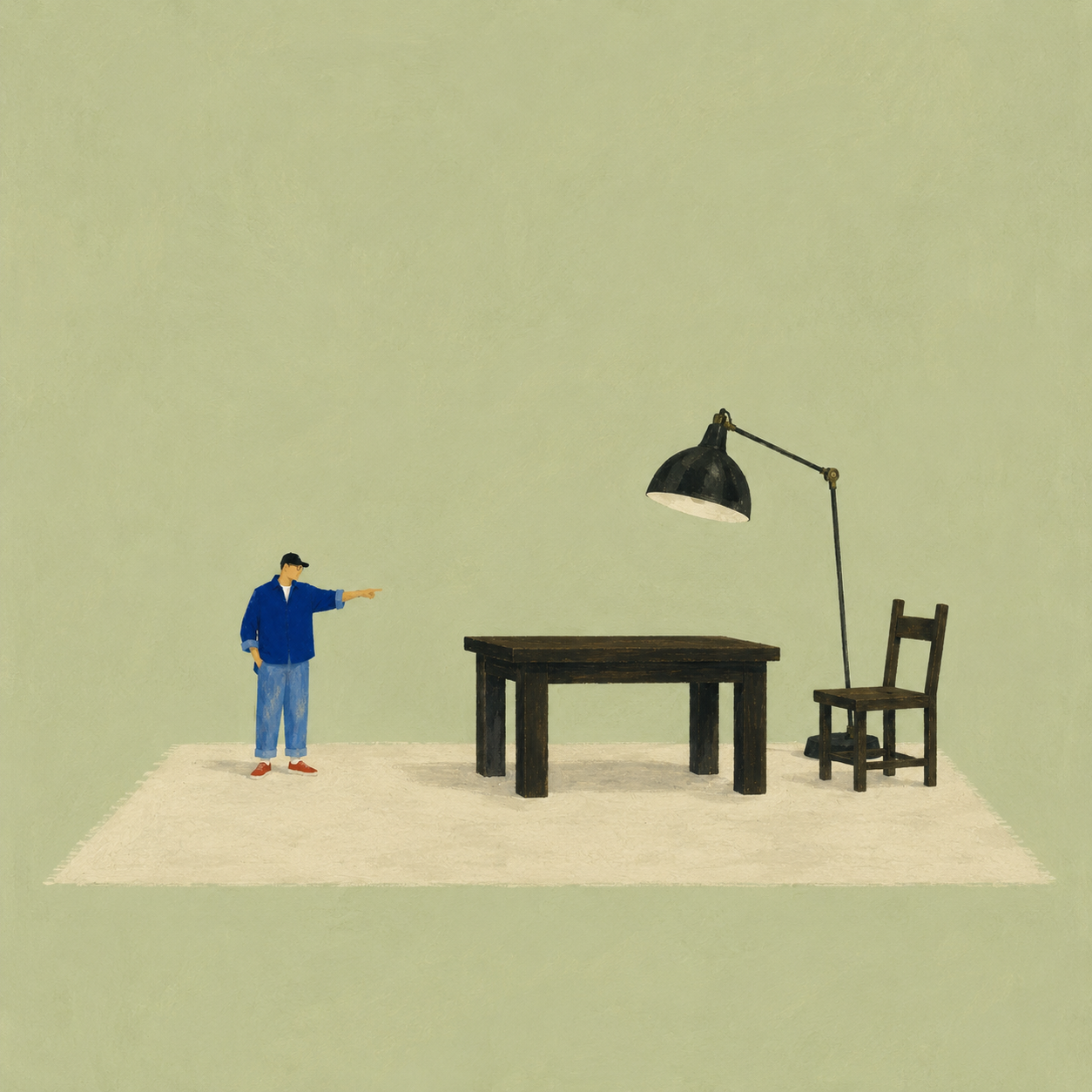
Salt is contrast. Acid is bite. Fat is weight. In a room, that may mean one dark lamp against pale walls, one large rug that actually holds the furniture, one heavy table instead of three nervous little ones, or a chair with enough shape to stop the room from drifting away.
The wrong response is usually a pillow. The right response is force. A pale room does not become better because someone scattered softness over it. It becomes better when the important moves get bigger, darker, heavier, or clearer.
The room does not need to look more decorated. It needs to taste like something.
IV
THE HOUSE RECIPE
Every good house develops recipes. Not formulas in the dead way. Useful patterns. The sofa that holds the room. The lamp with a real shade. The rug large enough to stop pretending. The chair placed where a person would actually sit.
These are the roast chicken moves. The vinaigrette moves. The things that work because they have worked before, and because they answer to use before they answer to novelty.
A proper room is often less inventive than people think. It is usually a few correct things, scaled properly, allowed to do their jobs. The room should not look expensive first. It should look correct first.
Fewer pieces. Bigger scale. Less fuss. That is the recipe most rooms are trying to get back to.
V
WELL FED
The point of a room is not the photograph. The point is what happens after the photograph would have been taken.
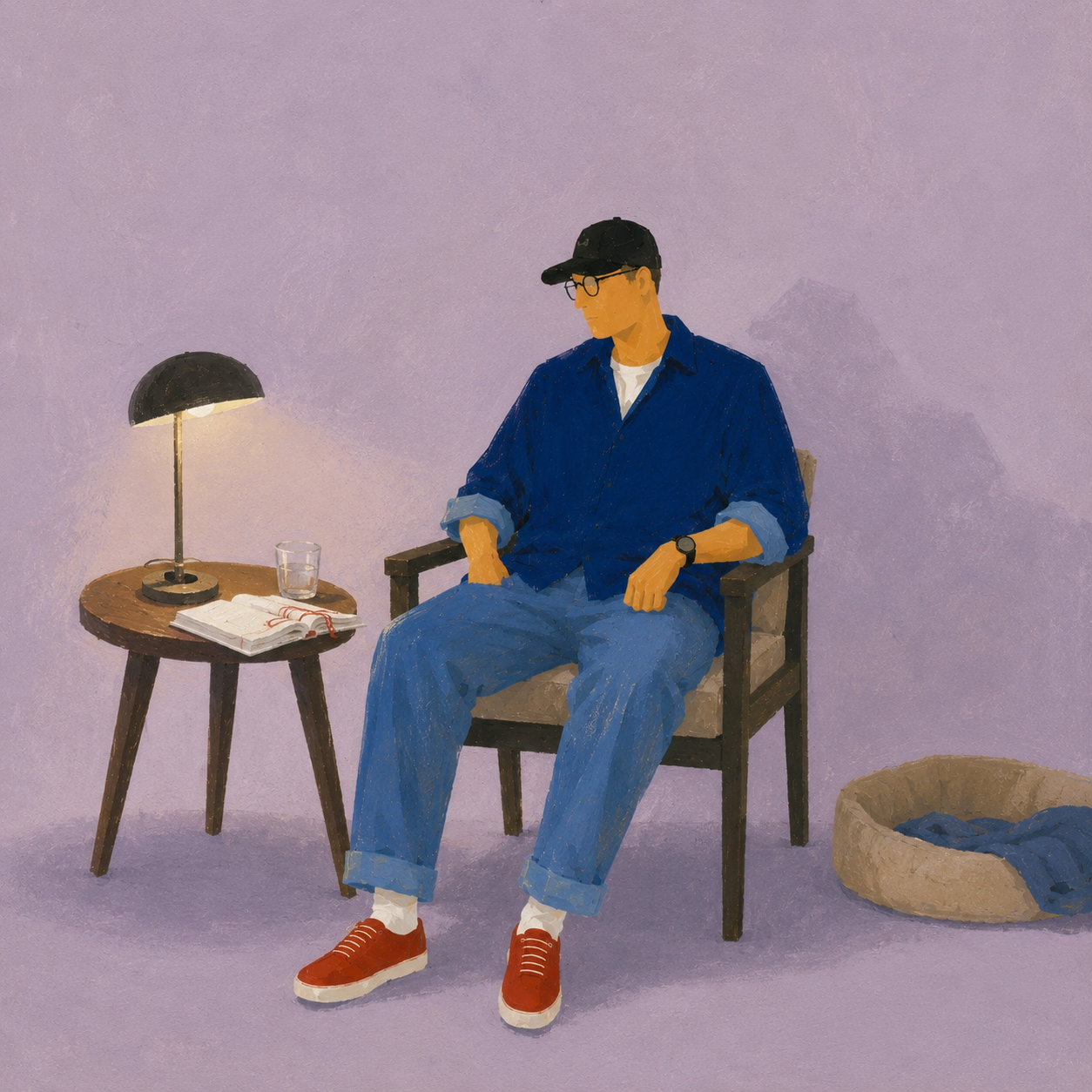
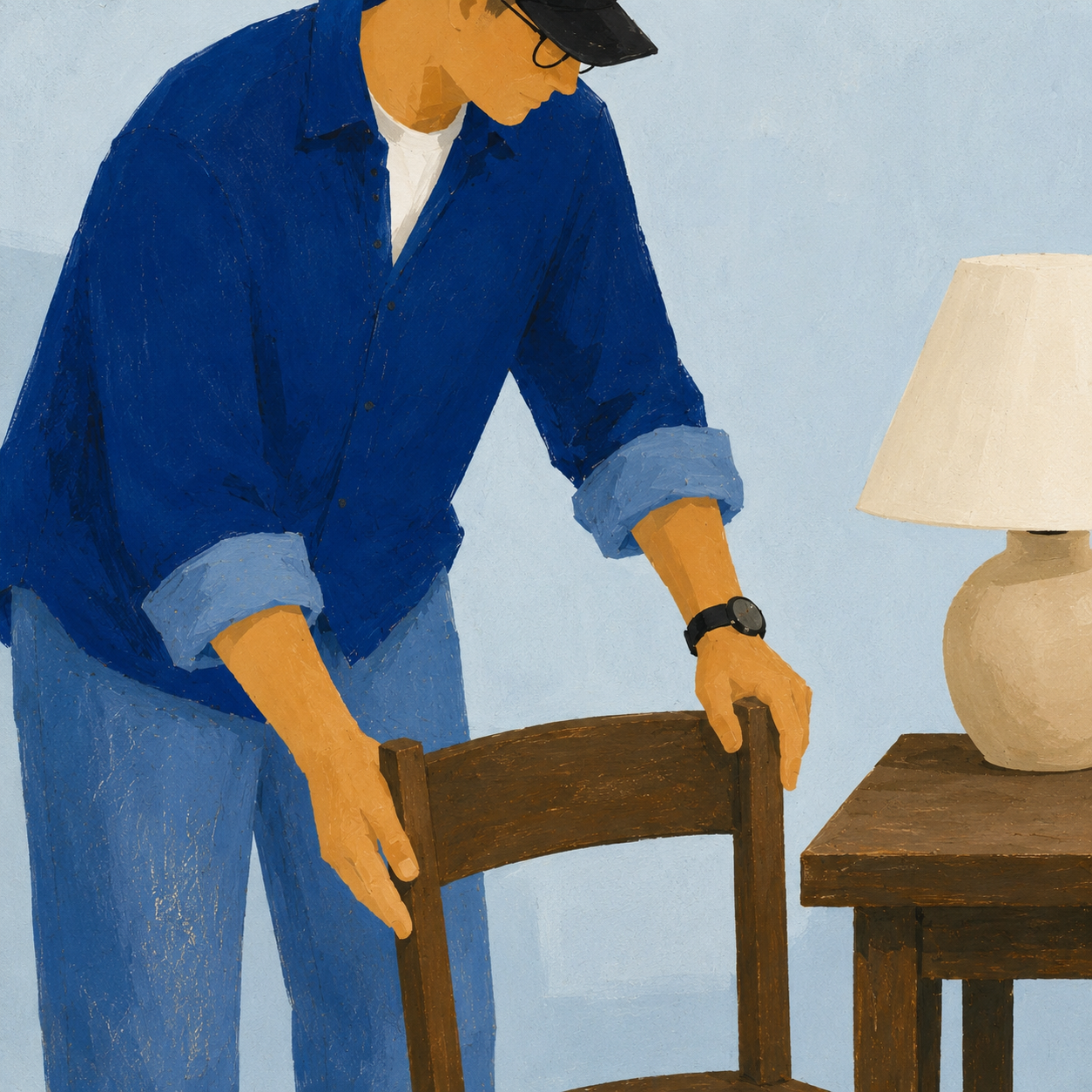
A chair turns slightly. A book stays open. A glass remains on the table. A lamp is left on because the room is still being used. The throw is not arranged for approval. It is there because someone reached for it.
This is the evidence that matters. Not mess. Not performance. Life.
A good room feeds the day. It gives the body somewhere to land and the eye enough to trust. It does not need to announce that it is finished. It simply works, and then it keeps working after everyone stops looking at it.