ROOM & BOARD | JASPER
| Category | Score | Notes |
|---|---|---|
| Frame | 22 / 25 | Benchmade solid hardwood construction with robust dual flexolator suspension. Built to last. |
| Upholstery | 21 / 25 | High-resiliency CertiPUR-US foam core wrapped in plush down, feathers, and fiber. |
| Comfort | 20 / 25 | Nineteen-inch seat height keeps the sit upright and conversational. Soft on top, structured underneath. |
| Integrity | 24 / 25 | Proudly benchmade in the United States with strictly documented, non-toxic materials. |
When it comes to build, sustainability, and American-made craftsmanship, Room & Board simply delivers. Hands down, they have some of the best manufacturing of any mass furniture retailer in the United States. They scored an 87 on our BUILD score, which is among the highest on this site. Kudos to them for that.
As far as design goes, however, some of their models sing while others suffer... and that brings us to the Jasper.
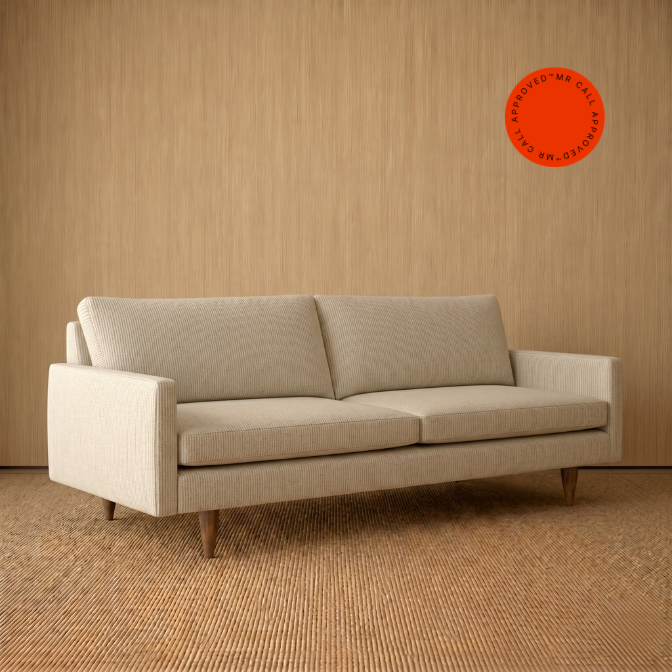
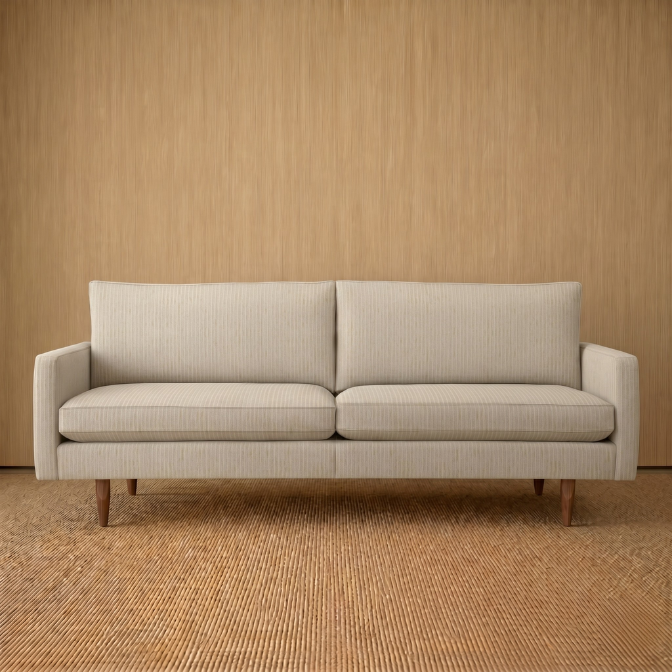
In my opinion, the Jasper is a 1990s riff on a 1950s sofa. Frankly, the most critical thing I can say about it is that it suffers from a bit of an identity crisis, and because of that, I personally find it very hard to style.
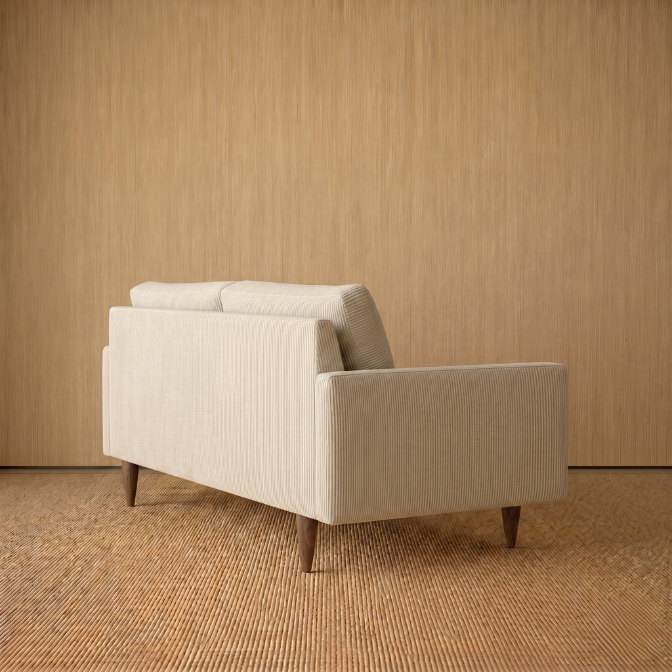
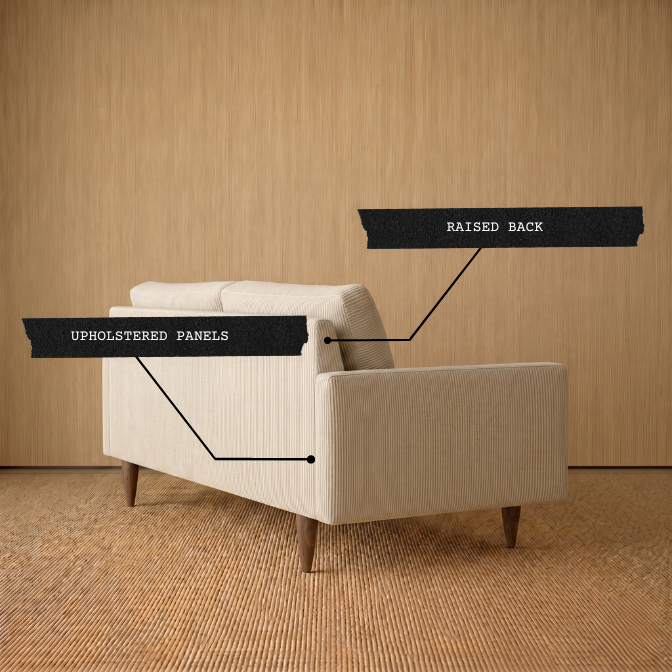
Here is why: at first glance, you might think it's a classic mid-century piece. And you wouldn't be entirely wrong; there are elements here that speak to that atomic, Case Study-era deliciousness ushered in by post-war America. However, on closer inspection, you notice the seven-inch legs, the massive back cushions, and those ugly “rabbit ears” that you always hear me rant about. That's when you realize it’s a hybrid—a mid-century sofa seen through the lens of a La-Z-Boy recliner.
While it’s not particularly offensive, it isn't exactly pleasing either. It just looks... odd. So, while I give it high marks for manufacturing quality, the design here just misses the mark.
If I were to use the Jasper, I would camouflage its identity crisis with strategic styling. First, I'd hide the ugly back by placing it against a wall. Then i would cover it in a light fabric. Something that can withstand some wear and tear.
And finally, the most important part: the legs. I would opt for the cylindrical wood feet in an ebony finish, skipping the tapered retro legs entirely. Historically, mid-century designers used exposed wooden feet to make upholstered furniture look like it was floating. I would honor that original design intent by matching the ebony legs to the floor, allowing the base to blend in seamlessly while surrounding the sofa with classic mid-century design.
 View
View
“Built like a tank, and looks like one too.”
— Mr Call