ROOM & BOARD | ANDRE
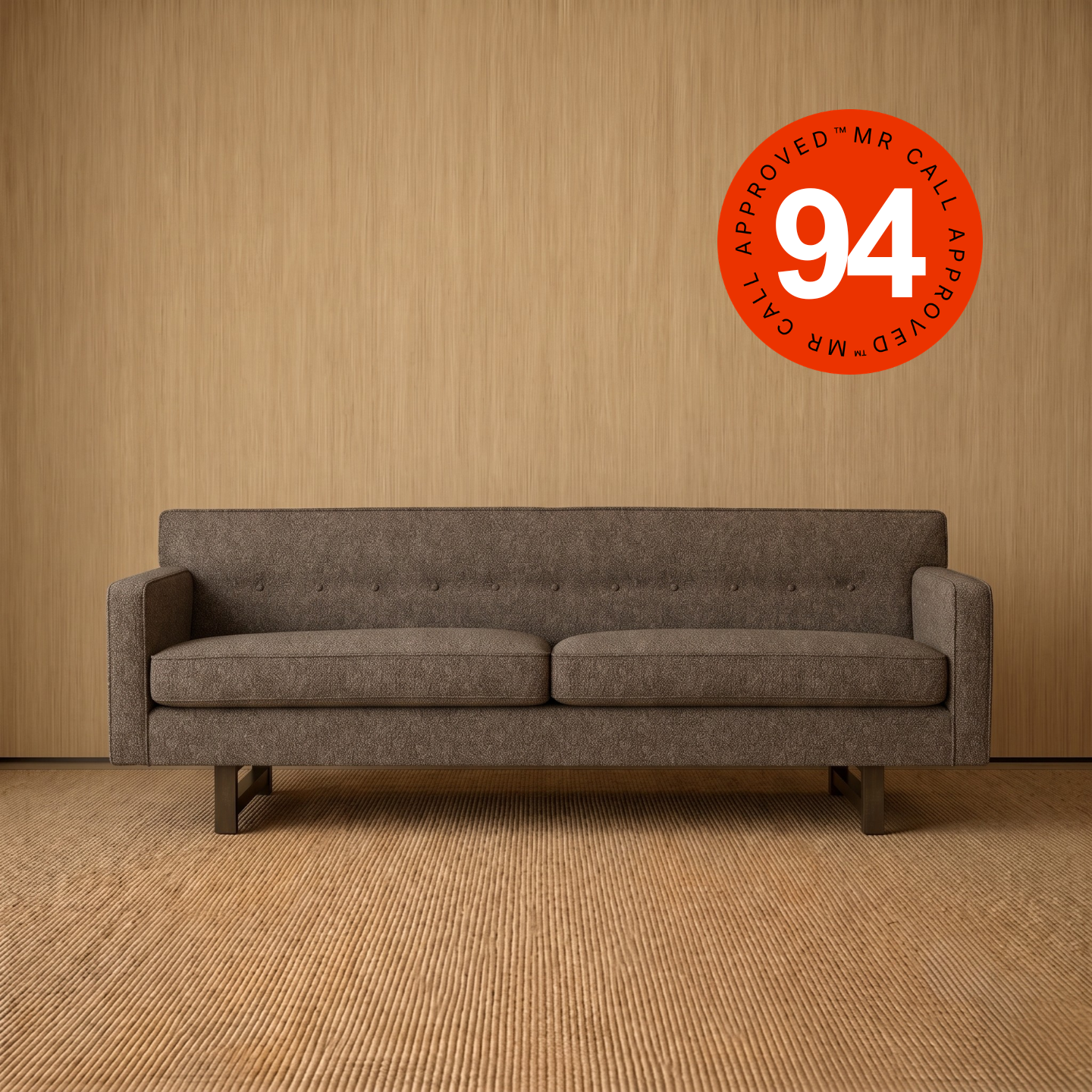
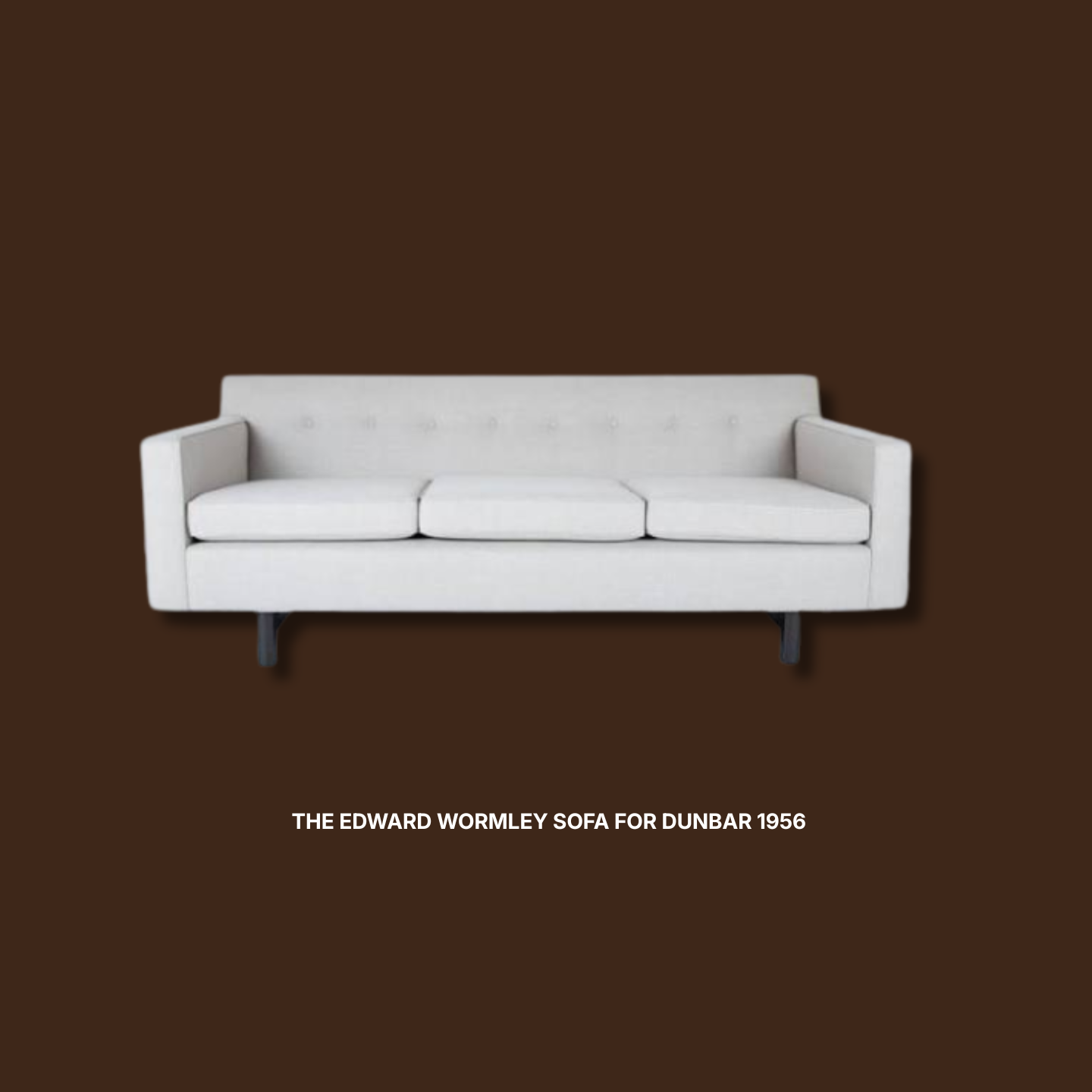
85 means the sofa checked every box. It didn't exceed any of them yet.
Overview
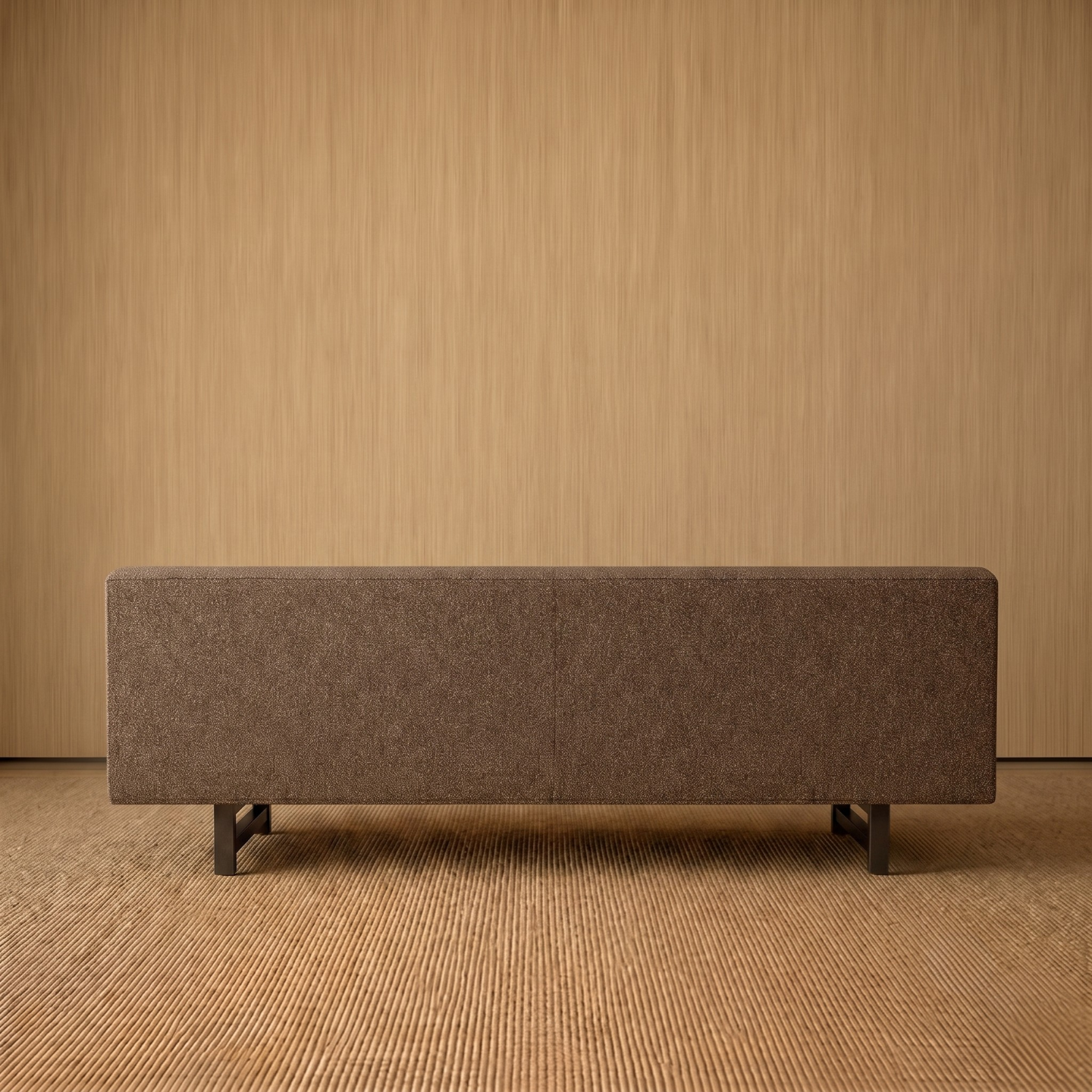
Best-in-class frame for this price point. It's composite hardwood, kiln-dried and disclosed as domestic — the kind of specific sourcing detail most brands at this tier don't bother telling you. The fabric tests at 102,000 double rubs, more than double what this tier requires, which in real terms means it can take years of actual daily use — kids, pets, guests — before it starts to show. Build score: 87, one of the highest this category allows without a genuinely rare upgrade like solid hardwood or hand-tied suspension. This is the standard other sofas at this price get measured against.
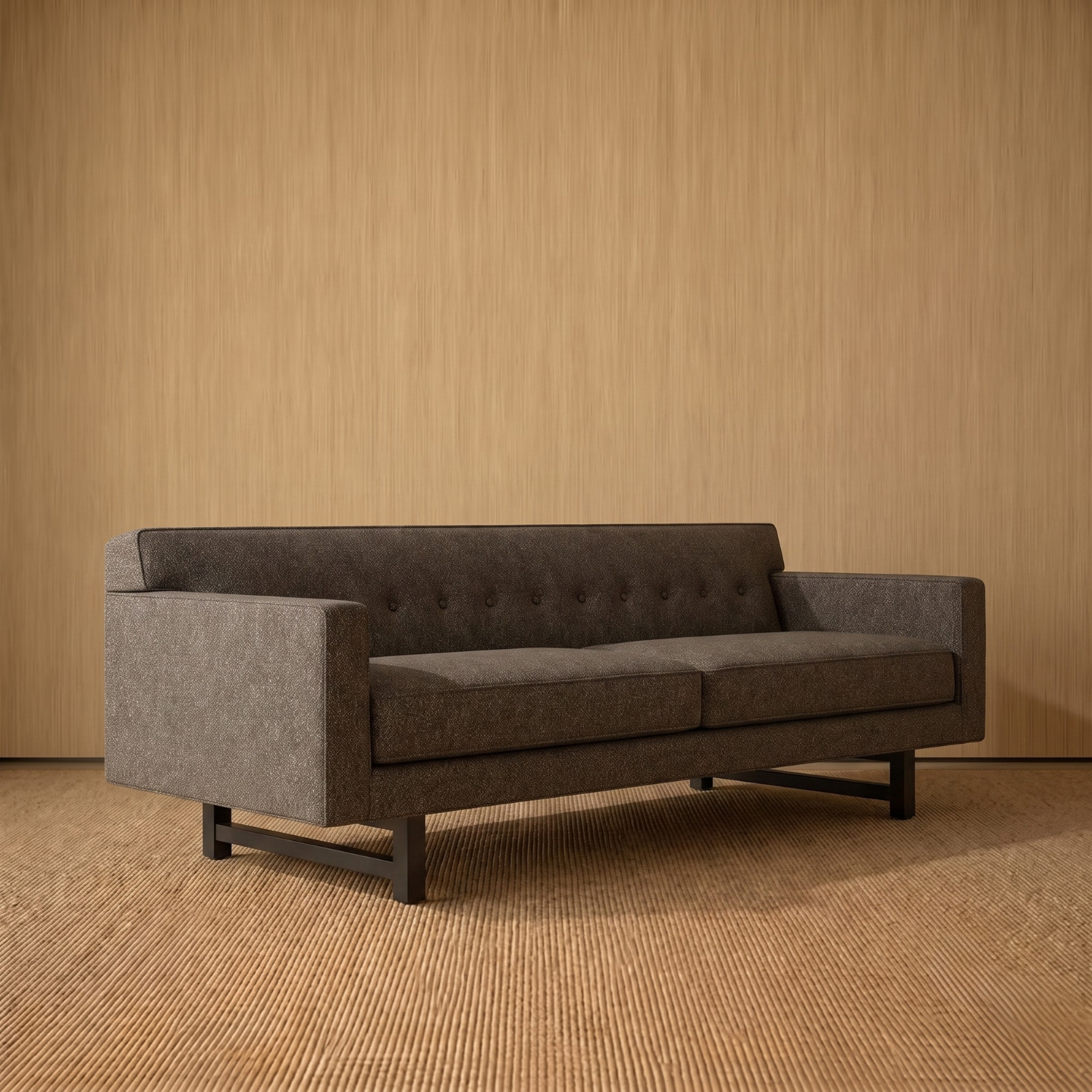
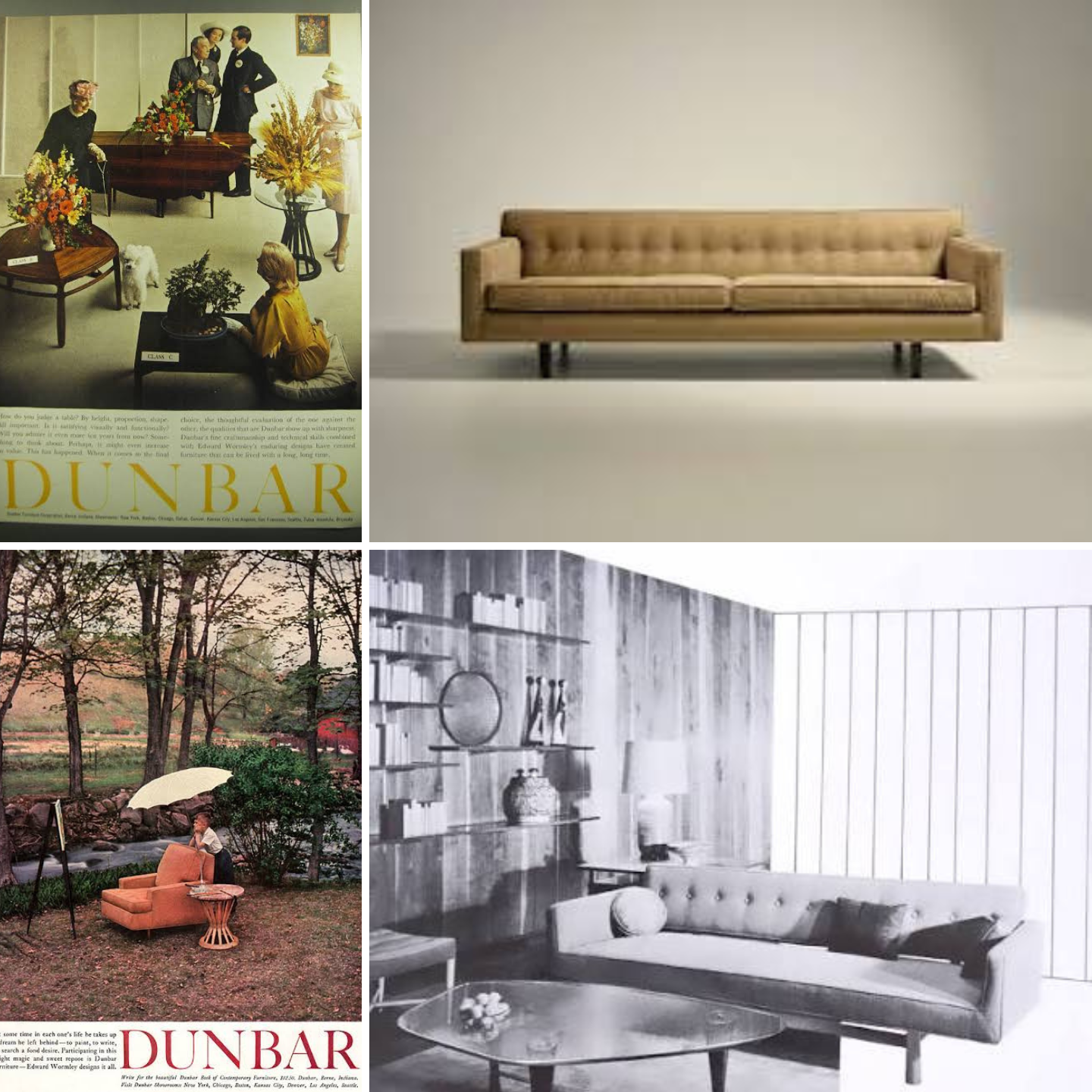
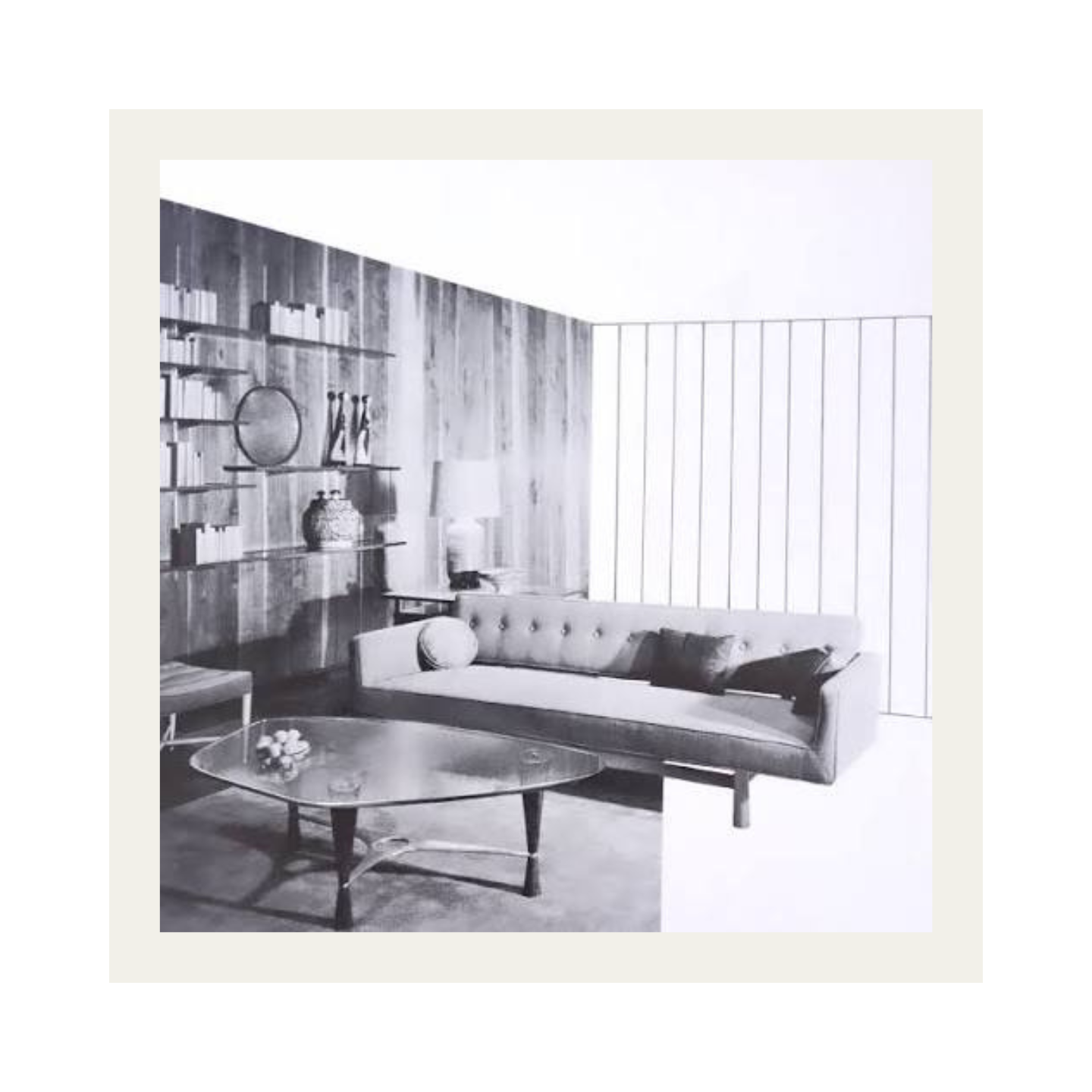
A faithful, correctly cited descendant of a 1956 Edward Wormley sofa for the Dunbar Furniture Company — tight back, button tufting, loose seat cushions, restrained rather than showy. Designers have trusted this shape for decades; Thad Hayes used versions of it across the Hamptons and Tribeca alike, formal in an ebonized base, casual in warm wood, correct in both. Room & Board didn't cut a corner translating it. Design score: 100 — the first perfect Design score this system has awarded, because it's simply a beautiful, faithful version of a genuine mid-century classic.
Combined, 87 and 100 average to 93.5, rounded to 94 — Mr Call Approved. Would I buy it? Yes, no conditions. This is the rare piece where the construction and the design are both doing everything right at once, which is exactly why it earns the top mark.
Design Heritage
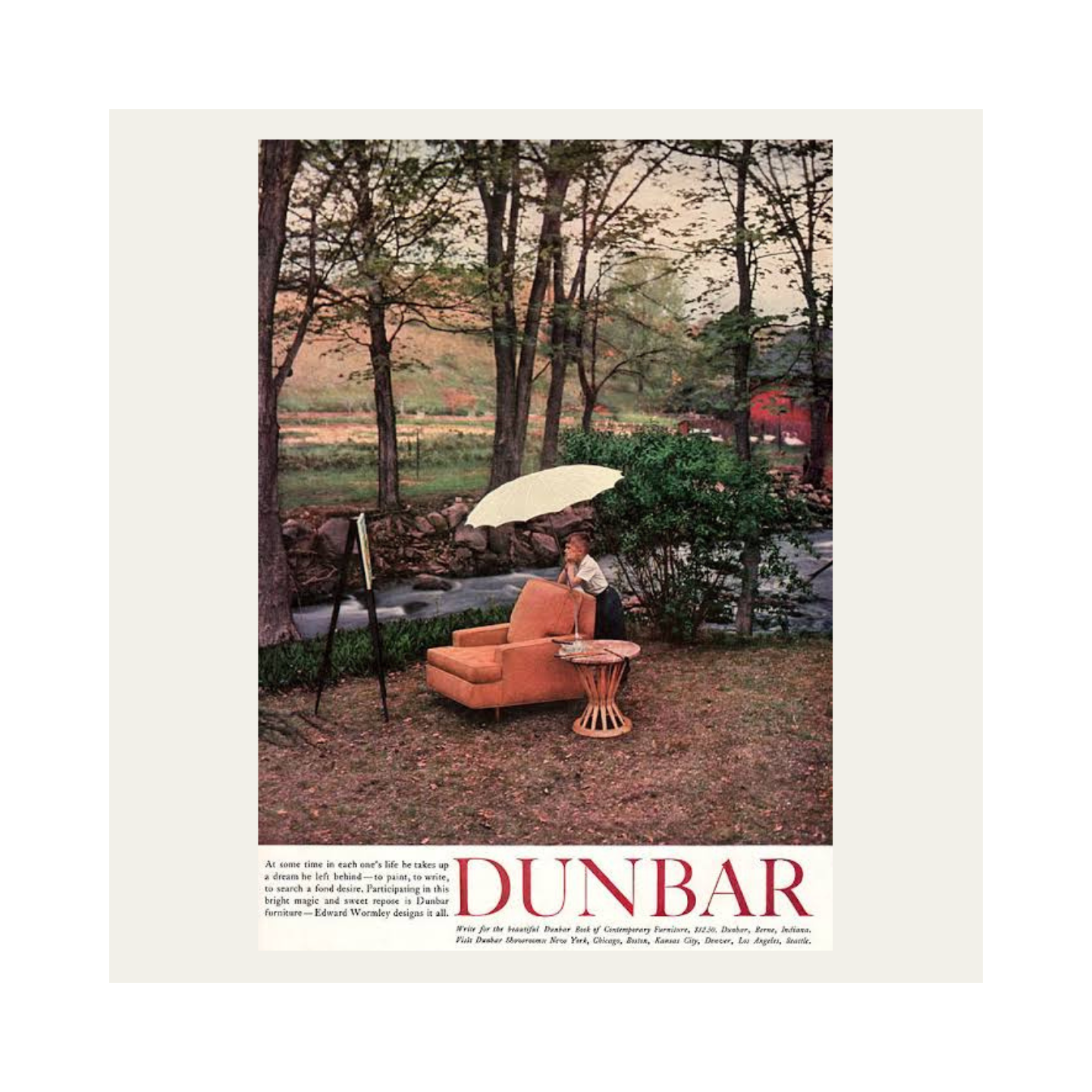
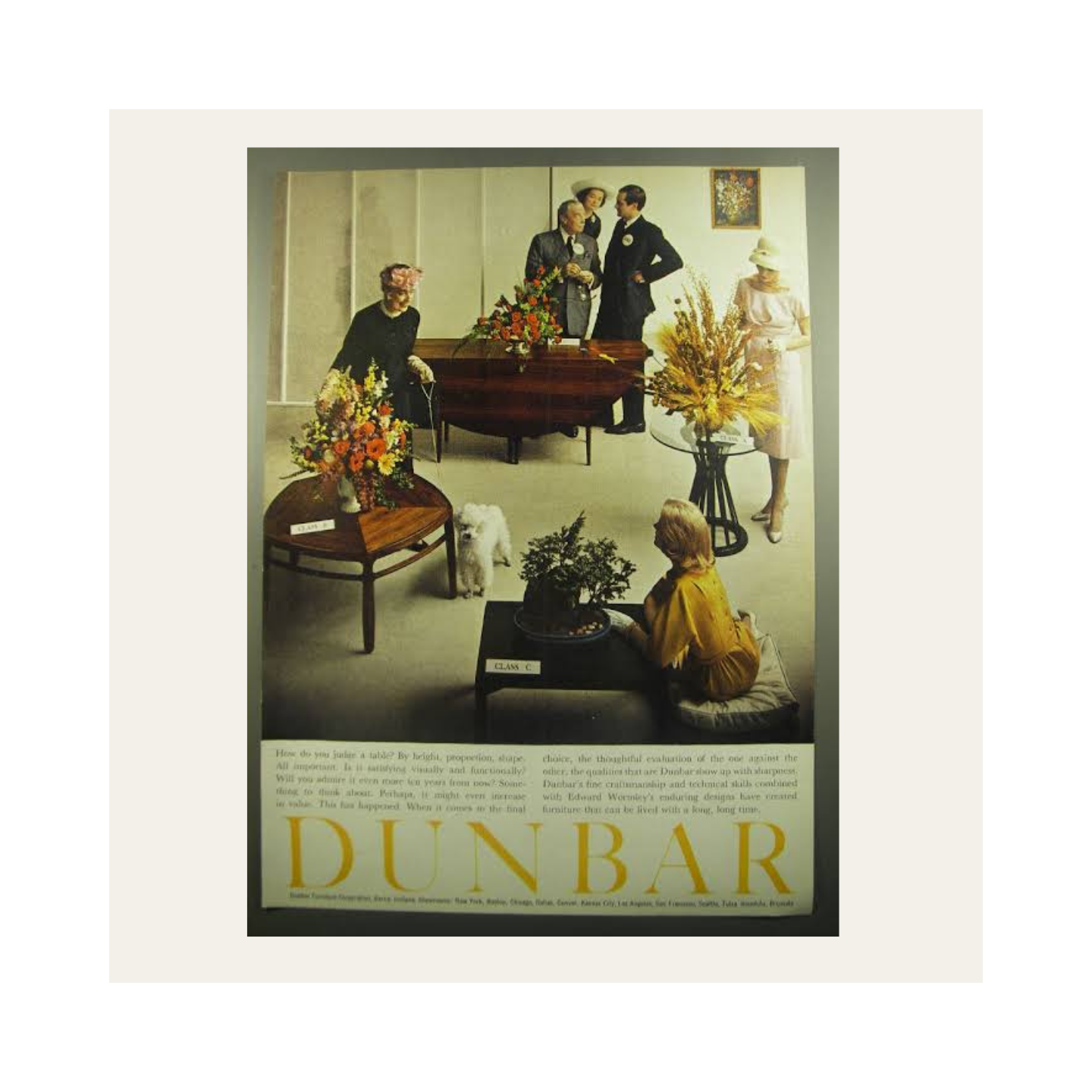
In 1931, Dunbar Furniture Company hired a 24-year-old designer named Edward Wormley to run their design department. Dunbar, based in Berne, Indiana, had built its name on traditional, handcrafted furniture. Over the next three decades, Wormley quietly turned it into one of the most important names in American modern design.
Wormley's whole approach set him apart. Many of his peers in the 1950s were chasing a colder, more industrial kind of modernism — metal, plastic, hard lines. Wormley went the other way. He kept the intellectual rigor of European modernism but built it into forms that felt warm and livable: generous cushions, rich upholstery, tailored lines you'd actually want to sit in.
Dunbar backed that vision with real craft. While other furniture makers were racing toward mass automated production, Dunbar stayed largely hand-built. The 1956 sofa this piece descends from shows that commitment directly — the solid hardwood base, the precise button-tufting, proportions scaled with real care.
Wormley was recognized for it at the time, not just in hindsight. Between 1950 and 1955 alone, he won thirty "Good Design" awards from the Museum of Modern Art and the Chicago Merchandise Mart. Alongside contemporaries like Florence Knoll and George Nelson, he helped bring modern furniture into ordinary American homes, blending in Scandinavian and Asian influences along the way. Original Wormley pieces for Dunbar are still highly sought after by collectors today, because the work holds up — it doesn't look locked to one decade.
That's the lineage this sofa is quoting, faithfully. Tight back, button-tufted, loose seat cushions, warm over cold. Room & Board didn't cut a single corner translating it.
The Build Quality
Frame: composite hardwood, made in North Carolina, kiln-dried and disclosed with that domestic origin — a more specific claim than most brands bother making at this tier.
Suspension: sinuous coil, the standard type here — not an upgrade, but nothing to worry about either.
Cushion: the seat is CertiPUR-US certified foam wrapped in fiber; the back is foam and fiber inside a tight, tailored cover rather than a loose pillow, which is part of why the silhouette stays so clean. Confirmed density is 1.8 lb/ft³ — standard for this tier, and technically below the 2.5 lb/ft³ the "high-resiliency" label implies, though in practice you're unlikely to feel the difference.
Fabric: Lang charcoal, a plain-weave blend of 93% polypropylene and 7% polyester, tested at 102,000 double rubs — more than double the 50,000 floor for this price tier. That's also why it's marketed as family-friendly, fade-resistant, and pet-friendly: the weave is doing real work, not just wearing a label.
Warranty: covered in practice, every time, by Room & Board's own account — but not documented anywhere in writing. Worth asking for the written terms before you buy, not after something goes wrong.
Client Staging Guide
This is a narrower-seat sofa by design, not by compromise — 22 inches of seat depth, tailored rather than sprawling. That makes it one of the best options I know for an apartment or a smaller room, where a deep lounge sofa would eat too much floor.
The tight, fully upholstered back means this piece can float in a room if the layout calls for it — it doesn't need a wall to look finished the way a loose-pillow-back sofa often does.
It pairs naturally with other mid-century pieces — Wormley's own work leaned on Scandinavian and Asian references, so furniture in that same family reads well alongside it. Keep the rest of the room a little warm, not stark; that's the whole point of this design lineage.
My exact styling pick for this one: a side table 19 inches tall with a 34-inch square top, on each side of the sofa. On top, a pair of table lamps in the style of Martz ceramics — Jane and Gordon Martz made hand-thrown mid-century studio pottery, and their glazed lamp bases are a natural match for this era. Keep the lamp height at 36 inches, so the table and lamp together hit 55 inches at the top of the shade — the same rule that keeps the eye moving at the right level next to any low sofa. Use a simple ivory parchment shade, nothing patterned. Add a pair of sheer drapes behind the sofa, a self-bound seagrass rug underneath, and a long, linear wood coffee table finished to match the sofa's own legs. That combination is chic without trying hard.
When I spec this for a client, I don't hedge. This is one of the few pieces where the construction and the design are both doing everything right, and I say so plainly.
The Call Standard™ Scorecard
| Section | Score | Read |
|---|---|---|
| Build | 87 | Fabric at 102,000 double rubs and kiln-drying disclosed with domestic origin — offset only by a warranty that's real but unwritten. |
| Design | 100 | A faithful, correctly cited 1956 Wormley-for-Dunbar lineage, proven across real rooms, executed without a single shortcut. |
| Total | 94 / 100 | (87 + 100) ÷ 2 = 93.5, rounded to 94. Mr Call Approved. |
Would I buy it? Yes, no conditions. This is the rare piece where construction and design are both doing everything right at once.
Scores are based on The Call Standard™, disclosed Room & Board product information, and direct ownership experience. Payment never changes the verdict.